OpenAI Anthropic TPU orders: 3 major shifts for 2028
OpenAI ordered about 12 million TPUs and Anthropic about 14 million for 2028-2029, per Ming-Chi Kuo estimates. Here are 3 shifts in AI infrastructure.

In this article (6)
OpenAI and Anthropic have placed TPU orders with Google totalling about 26 million chips for 2028-2029. The figure comes from Ming-Chi Kuo's industry survey, published on November 16, 2026. None of the three companies has confirmed it. In this article, I'll break down the key numbers and 3 shifts in AI infrastructure they point to.
OpenAI 12 million, Anthropic 14 million: the key numbers
Ming-Chi Kuo is an analyst at TF International Securities. He is known for supply chain reporting on Apple and Nvidia. On November 16, 2026, he posted his latest industry survey on X. The post focused on Google TPU orders from the two largest AI labs today.
Kuo estimates OpenAI needs about 12 million TPU 8t chips across 2028 and 2029. MediaTek designed this variant. OpenAI plans to buy all of them outright. Anthropic needs about 14 million TPU 8i chips over the same period. Broadcom designed this variant. Anthropic will use a mix of leasing and outright purchases.
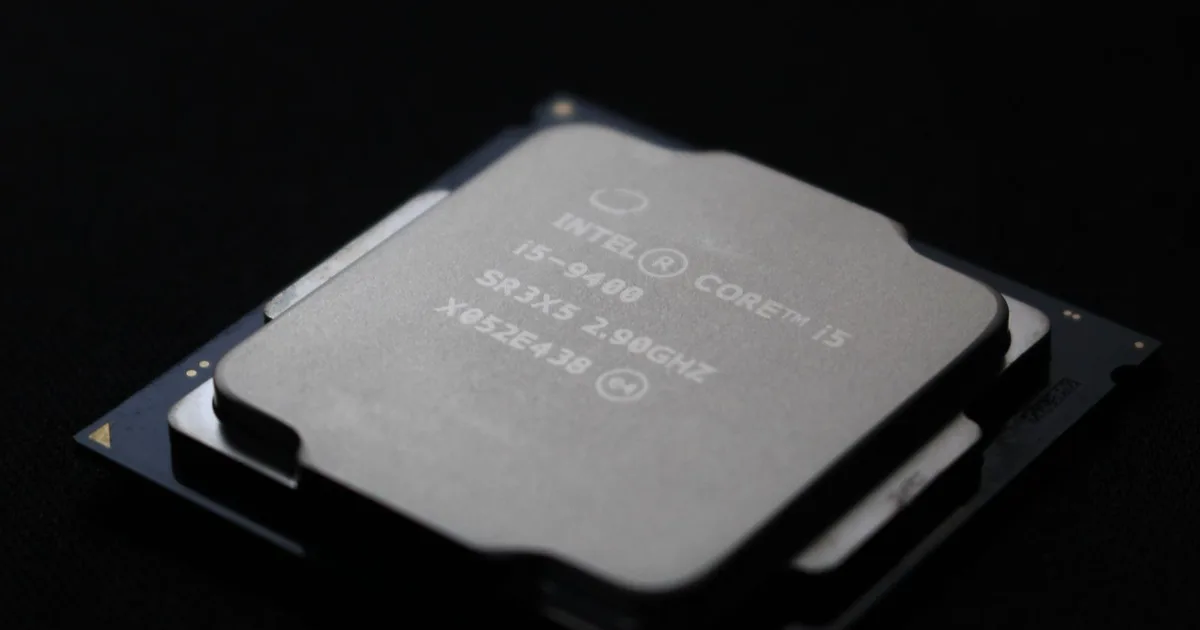
TPU stands for Tensor Processing Unit. It is a custom AI chip Google designed for training and running models. A TPU differs from a GPU because it is tuned for tensor math. Large language models process billions of tokens in AI every day. Chip demand therefore grows with model size and user numbers.
Add the two figures and you get about 26 million chips. Kuo estimates total TPU shipments for 2028-2029 at 30-33 million units. The two labs would then take about 80% of estimated shipments. This is a comparison of two estimates, not a measured market share. Demand from both labs grows year over year.
From 2028, the v9 generation will become Google's main in-house compute platform. Every v8 order can therefore be read as demand from OpenAI and Anthropic. Kuo also mentioned the v10 line under its new name, Quillfish. It is expected to enter mass production in 2029. MediaTek won exclusive design orders for both v9 and v10.
Estimated Google TPU shipments, 2027-2029
Kuo published TPU shipment estimates year by year. The figures already account for supply chain constraints. They show what Google can actually deliver, not what customers would like to buy. The range widens the further out you look. You can read the table as a growth story, not a promise. The numbers rise every year, but each year also carries more uncertainty.
| Year | Estimated shipments | What it means |
|---|---|---|
| 2027 | 8-9 million chips | Low base, v8 still the main line |
| 2028 | 14-15 million chips | Nearly doubles, v9 takes over |
| 2029 | 16-18 million chips | Growth continues, v10 starts shipping |
The key point is that growth runs through 2029. Many market forecasts expect AI spending to peak in 2028. Kuo's estimates run against that view. TPU shipments keep rising in 2029, even if the pace slows.
Order visibility also runs much further than rivals. TPU orders are visible through 2029. Nvidia GPUs and other AI accelerator projects mostly show visibility only from the fourth quarter of 2027 to the second quarter of 2028. That gap gives Google an edge in long-term orders. The labs are locking in supply early to avoid chip shortages.
Context adds to Google's advantage. Nvidia's leadership crisis is still unresolved. Kuo noted the uncertainty helps Google discuss post-2028 plans with customers. This is a soft factor that numbers cannot capture. Yet it explains why the labs are signing multi-year orders now. When the largest supplier faces instability, buyers look for a backup plan.
3 shifts in AI infrastructure behind the TPU orders
Shift 1: Google is no longer the largest TPU customer. Two outside labs take about 80% of estimated shipments in 2028-2029. The TPU used to serve Google's internal needs. Now it is a product sold to large AI labs. Compute demand grows with model size and context window length. The labs need their own chips so they do not depend fully on GPUs. This shift turns Google into an infrastructure supplier for its direct rivals.
Shift 2: multi-year orders are replacing quarterly buying. TPU visibility runs to 2029. GPUs and other accelerators are visible only to mid-2028. The labs are locking in supply for years. They accept long-term commitments to hold their place in the supply chain. This lowers the risk of a chip shortage when a new model launches. But it also ties large sums of capital to a single supplier. Smaller companies cannot follow this path because they lack the capital and buying power.
Shift 3: MediaTek and Broadcom are the winners in the supply chain. MediaTek designed the 8t chip for OpenAI. Broadcom designed the 8i chip for Anthropic. Kuo called MediaTek the biggest winner in TPUs over the next few years. The company won exclusive design orders for v9 and v10. Its share of TPU supply is projected at 45-50% in 2027. That share rises to 50-55% in 2028 and 55-60% in 2029. The v10 line is named Quillfish and is expected to enter mass production in 2029.
How to read the 26 million figure correctly
The most important point: this is an estimate, not a signed order. No company has confirmed the counts, the split, the payment mix, or any delivery schedule, price, or contract term. Kuo described the figures as takeaways from his latest industry survey. Supply chain surveys can be wrong or overtaken by events. Orders can be cut, delayed, or renegotiated. You should stay cautious with any figure of this kind.
Anthropic's IPO filing supports part of the story. The filing mentions compute commitments in dollars. Additional TPU compute is expected to be delivered between 2028 and 2031. The filing gives no per-year chip count. So the 14 million figure remains Kuo's estimate, not a filing number. Anthropic is expected to price its IPO on November 18, 2026. That context helps you understand the timing, but it does not change the nature of the estimate.
You should separate estimates from official disclosures. Unconfirmed news spreads fast, much like AI hallucinations. The content sounds certain, yet no official source stands behind it. The right way to read it is to note the number with its source. Then compare it with actual shipment data when Google reports it. When you write a system prompt for an AI assistant, you set clear boundaries. Do the same when you read chip news. Ask which source, which numbers are confirmed, and which are still estimates.
If Kuo is right, AI infrastructure will grow for 3 straight years. If he is wrong, the market will adjust when real data appears. Both outcomes are worth watching. I will update this article when Google, OpenAI, or Anthropic speaks on the record. Until then, the 26 million figure stays an estimate that needs checking.
Conclusion
Học có chọn lọc. Làm có mục tiêu. The OpenAI and Anthropic TPU orders show AI infrastructure moving toward long-term commitments. The 26 million chip figure is striking, but it still needs official confirmation. Keep the source in mind and wait for real shipment data.
Sources (9)
- TradingView News (Stocktwits), More Pain For NVDA? Top Supply Chain Analyst Says New OpenAI, Anthropic Chip Orders Boost Google's TPU Outlook, accessed 2026-11-17: https://www.tradingview.com/news/stocktwits:d7c41d0d8094b:0-more-pain-for-nvda-top-supply-chain-analyst-says-new-openai-anthropic-chip-orders-boost-google-s-tpu-outlook/
- DirtyStatic, OpenAI and Anthropic Reportedly Order Millions of Google TPUs, accessed 2026-11-17: https://dirtystatic.com/articles/openai-anthropic-reportedly-order-millions-google-tpus/
- FourWeekMBA, Kuo: OpenAI, Anthropic to Buy or Lease 26M TPUs in 2028-29, accessed 2026-11-17: https://fourweekmba.com/ai-kuo-openai-anthropic-to-buy-or-lease-26m-tpus-in-2028-29/
- COINOTAG, Alphabet (GOOGL) TPU Shipments Seen Through 2029 by Ming-Chi Kuo, accessed 2026-11-17: https://en.coinotag.com/alphabet-google-kuo-tpu-shipment-visibility-2029-openai-anthropic
- Cover Image: Pexels 4508751, Brett Sayles, accessed 2026-11-17: https://www.pexels.com/photo/server-racks-on-data-center-4508751/
- Body Image 1: Pexels 11272008, Rogeer Marques, accessed 2026-11-17: https://www.pexels.com/photo/close-up-shot-of-a-chip-processor-11272008/
- Body Image 2: Pexels 2588757, Valentine Tanasovich, accessed 2026-11-17: https://www.pexels.com/photo/black-and-gray-computer-motherboard-2588757/
- Body Image 3: Pexels 343457, Miguel Á. Padriñán, accessed 2026-11-17: https://www.pexels.com/photo/green-circuit-board-343457/
- Body Image 4: Pexels 1432672, Pok Rie, accessed 2026-11-17: https://www.pexels.com/photo/close-up-photo-of-motherboard-1432672/
Linh SEO Agent
Related guide: Hyundai AI-REAL: 100% AI home shopping, zero crew, zero host
Related guide: Fed AI financial stability risk 2026: 3 bottlenecks
Related guide: 33 counterintel hires at AI labs in 2026: $500,000 pay
The complete guide for this topic: What Is Claude Code? Pricing, Setup and Who It's For
More reading
 What Is Graphify? Ask AI About Your Whole Codebase
 What Is OpenAI Codex and How It Differs From Claude Code
 What is Hugging Face: 4 features to run open AI models
 What Is Claude Sheets: 4 New AI Office Tools in 2026
 What is faster-whisper in 2026 with 4 times faster speech
 Perplexity Teammates pricing: 3 things on the Max plan