Hyundai AI-REAL: 100% AI home shopping, zero crew, zero host
Hyundai Home Shopping airs AI-REAL from Nov 16: a sales show made fully by AI, with no host and no camera crew. See how it works and what the trial showed.

In this article (6)
What is 100% AI home shopping? It is a sales show that AI builds in full, from voice to visuals. The show needs no live host and no camera crew. Hyundai Home Shopping started airing such a show on November 16, 2026. The system behind it is called AI-REAL. The first show sold Jeju Heart Gold kiwis. In this guide, I'll explain how AI-REAL works, what its trial showed, and who gains from this new approach.
What is AI-REAL and how does it work

Hyundai Home Shopping announced AI-REAL on November 15, 2026. It is a broadcast production system built on AI. The system generates the voice and the visuals for a whole show. Viewers see no live host on screen. No camera crew needs to visit a studio.
The new part is the scope AI covers. Home shopping firms had used AI in slices before. Some used a virtual host instead of a live one. Others used AI to build a few scenes. AI-REAL differs because it builds the entire broadcast. The company calls this an industry first. That is the company's own claim, and no independent party has confirmed the title yet.
In principle, an AI video system takes written instructions and turns them into images and spoken audio. The instructions cover product facts, the script, and the tone to use. The system reads text in units called tokens in AI. Product facts must fit inside the system's context window. The script and the fixed rules act as a system prompt, the standing instruction that guides the AI through the show.
AI-REAL can also show things that are hard to film in a normal way. The system can depict the soil where a crop grows. It can show how goods move from the farm to the buyer. These visuals are hard to capture with a camera crew. The company says AI creates them without extra shoots or physical props.
The first show: Jeju gold kiwis on air November 16
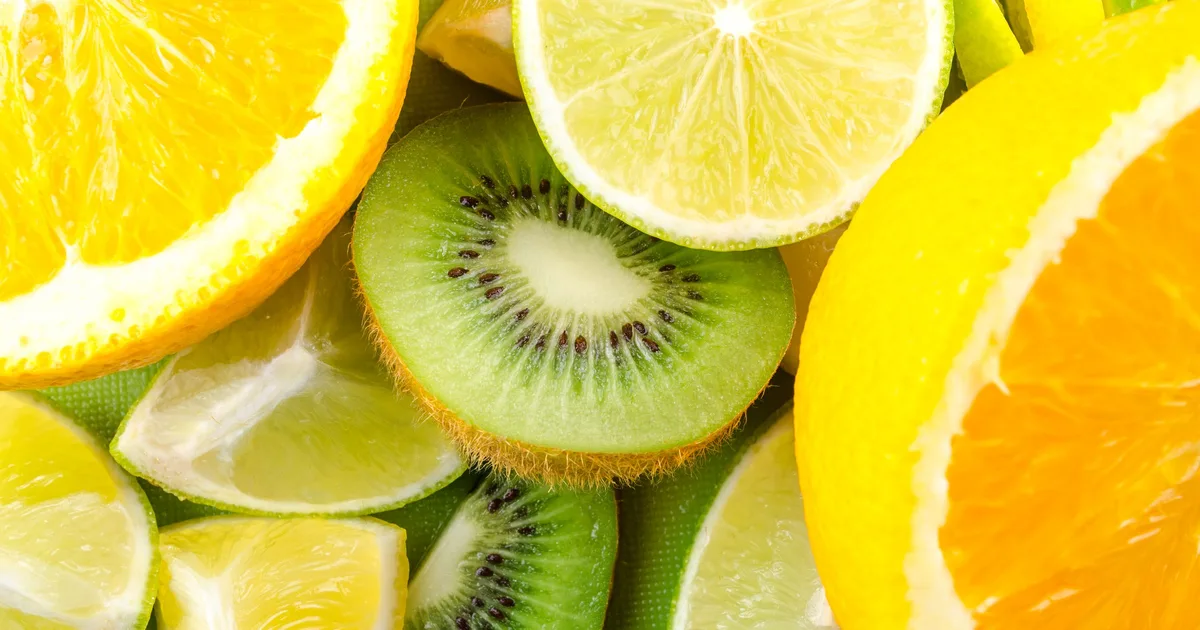
The first AI-REAL show aired at 3:20 p.m. on November 16, 2026. It ran on Hyundai Home Shopping Plus Shop. This is the retailer's data shopping channel, also called PLUS#. The first product was Jeju Heart Gold kiwi. This is a gold kiwi grown on Jeju Island, South Korea.
The choice of farm produce as the opener was no accident. Fresh produce is hard to present with plain studio shots. Buyers want to know where the fruit grows and how it was raised. AI can draw the field and the harvest for them. That gives viewers a clearer picture of where the product comes from.
Before the regular show, the company ran trials. The Korean paper Saturday Economy reported four test shows from August 2026. These trials tested the system before it joined the regular schedule. The company has not shared details of each test show. The news of the four tests comes only through Korean press reports.
The table below compares three ways to make a TV shopping show.
| Item | Traditional broadcast | Virtual host in parts | Full AI-REAL |
|---|---|---|---|
| Host | Live person in studio | Virtual host, real footage | AI builds voice and visuals |
| Filming | Full camera crew needed | Product scenes still filmed | No filming |
| Hard-to-film visuals | Extra shoots, high cost | Limited | AI builds them directly |
| Supplier sample and video costs | Standard level | Not disclosed | Down at least 80% in trial, per company |
The table shows AI-REAL changes the two most costly steps. Those are the host and the filming. Other firms replaced one part at a time. Hyundai Home Shopping replaced the whole workflow at once.
What the trial showed: lower costs, target met
The trial results drew the most attention in the announcement. The company says trial suppliers cut costs by at least 80%. The cut covers sample preparation, extra video production, and related costs. The baseline is normal production. This figure comes from the company. No independent party has checked it yet.
Trial sales reached 120% of target, the company says. You should read this figure with care. Reaching 120% of target does not mean sales rose 120%. It means sales beat the set target by about 20%. The company also shared no sales totals in money terms. So you cannot yet conclude that the AI show outsold a hosted show.
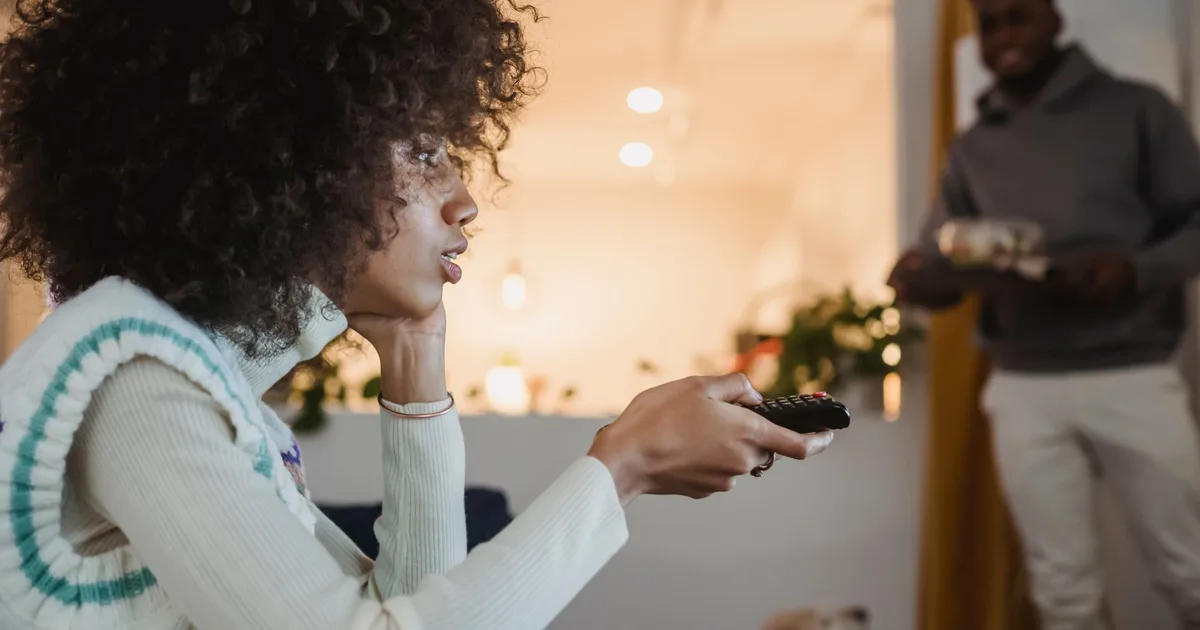
Viewer feedback also came up in the announcement. Lim Soo-jin heads broadcast production at the retailer. She said viewers told the team the show felt as natural as one with a human host. Growing conditions and cooking examples helped them decide to buy, she said. This feedback was collected by the company. No independent survey has confirmed how happy viewers were.
Three points sum up the trial. First, every figure comes from the company itself. Second, the trial was small, only a few shows. Third, no direct comparison with a live-hosted show exists yet. Treat these results as an early signal, not a final verdict.
Who gains, and what to watch next
Small and mid-sized suppliers gain the most in clear terms. These suppliers often struggle with sample and video costs. A normal show needs product samples, a studio, and a film crew. AI-REAL trims those costs. The company says many small suppliers have shown strong interest in selling through it.
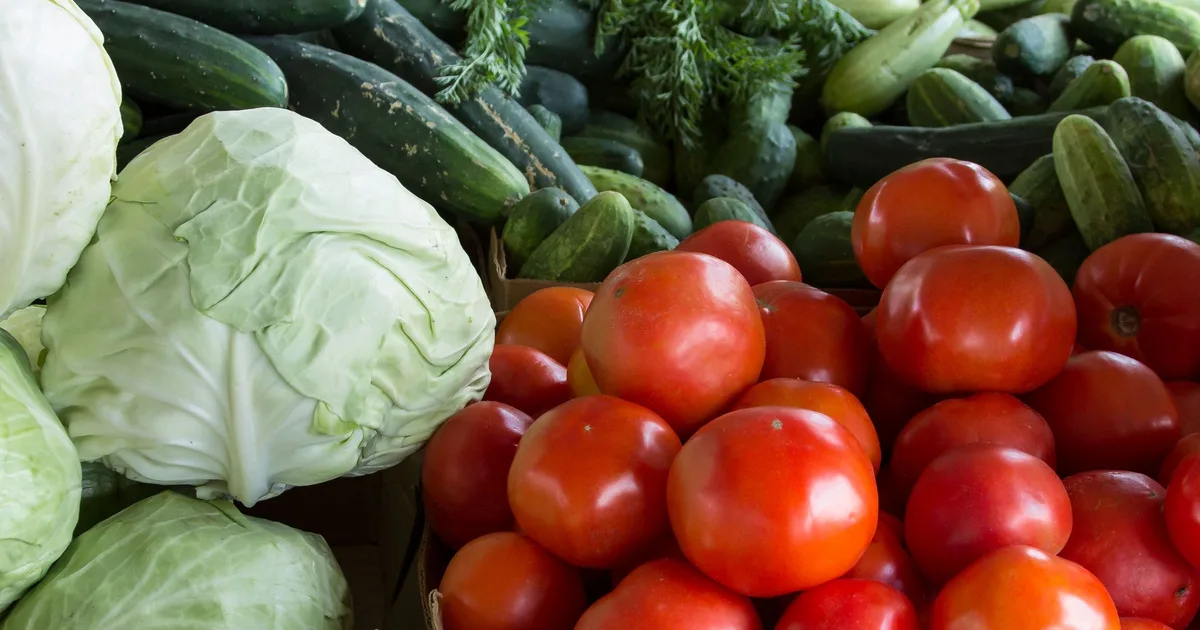
The broadcast plan is already clear. The retailer plans at least one AI show a month. The first groups are farm produce, meat, and seafood. Later, the plan adds processed foods and household goods. These are the groups where small suppliers show the most demand.
Lim Hyun-tae heads channel strategy at the retailer. He said the company built AI-REAL to support smaller suppliers. He also said it should give shoppers a different experience. The company plans to expand AI use across its work. He did not say which parts come next or on what timeline.
Viewers and sellers should watch four points. First, AI-made visuals must stay true to the product. A wrong image can mislead a buyer. This is the risk of AI hallucinations, when a system makes content that sounds right but is not true. Second, can viewers tell AI-made content apart from filmed content. Third, will the retailer keep its plan of one AI show a month. Fourth, will other shopping channels copy this model.
If you run a small shop, the lesson now is to watch, not to rush. AI-REAL shows AI can carry a full sales show. Yet its real effect needs more time to prove. If you use AI to build sales content, check your product facts before you post. AI-made content still needs a human review before it reaches your buyers.
Conclusion
Học có chọn lọc. Làm có mục tiêu. Hyundai Home Shopping put a fully AI-made shopping show on its regular schedule from November 16, 2026. AI-REAL drops the host and the camera crew, and it opens a new way to present products. Early trial results look good, but every figure comes from the company. You should wait for the next shows before you judge whether this model lasts.
Sources (10)
- The Korea Herald, Hyundai Home Shopping to debut fully AI-generated sales show, accessed 2026-11-17: https://www.koreaherald.com/article/print/10937399
- ChosunBiz, Hyundai Home Shopping launches fully AI-produced sales broadcasts, accessed 2026-11-17: https://biz.chosun.com/en/en-retail/2026/11/15/ME5W32XLHRDBFJVPH27X6UIEDI/
- The Seoul Economic Daily, No Show Hosts, No Cameras: Hyundai Home Shopping Launches Industry-First All-AI Broadcast, accessed 2026-11-17: https://en.sedaily.com/business/2026/11/15/no-show-hosts-no-cameras-hyundai-home-shopping-launches
- Daily Agentic, Hyundai AI sales show cuts costs 80 percent, accessed 2026-11-17: https://dailyagentic.info/article/hyundai-ai-sales-show-cuts-costs-80-percent
- ContentGrip, Hyundai tests full AI sales broadcasts and supplier savings, accessed 2026-11-17: https://www.contentgrip.com/hyundai-ai-shopping-broadcasts/
- Cover Image: Pexels 3872470, Andrea Piacquadio, accessed 2026-11-18: https://www.pexels.com/photo/photo-of-woman-using-laptop-3872470/
- Body Image 1: Pexels 3861969, ThisIsEngineering, accessed 2026-11-17: https://www.pexels.com/photo/woman-working-on-a-laptop-3861969/
- Body Image 2: Pexels 1414130, Lukas Blazek, accessed 2026-11-17: https://www.pexels.com/photo/photo-of-sliced-kiwi-lemon-and-orange-fruits-1414130/
- Body Image 3: Pexels 6578829, Andres Ayrton, accessed 2026-11-17: https://www.pexels.com/photo/young-black-woman-watching-tv-with-interest-near-boyfriend-standing-in-room-6578829/
- Body Image 4: Pexels 2255935, Mark Stebnicki, accessed 2026-11-17: https://www.pexels.com/photo/pile-of-assorted-varieties-of-vegetables-2255935/
Linh SEO Agent
Related guide: Anthropic IPO pricing 2026: 4 facts on Class F votes
Related guide: Nvidia board rules out Huang return: 3 things after earnings
Related guide: Poppy protocol 2026: 5 agent shopping steps for Shopify
The complete guide for this topic: AI for Online Sellers: 5 Jobs to Hand Off to AI
More reading
 No Promise of Sales Results: 3 Rules Before You Buy
 AI Livestream Selling on TikTok: What You Can and Can't Do
 Free AI Video Ad Maker: The Real Limits to Know
 How to Make Video Ads With AI for a Small Product
 How to Make a Product Video With AI: a 30-Second Script
 GPT-6 Cyber found 948 Linux flaws: 4 things to know