What Is Gemini 4 Carbon: 3 Benchmarks at $2 in 2026
Gemini 4 Carbon is Google's most powerful model, open to paying developers from November 10, 2026, at $2 input and $10 output per million tokens.


In this article (6)
What is Gemini 4 Carbon? It is Google's most powerful model. Google opened Carbon on November 10, 2026. It is open to paying developers, businesses, scientists, and users. Google presents Carbon as its strongest model for cybersecurity and long-running agent workflows. The opening price is $2 for input and $10 for output per million tokens. That low price holds until November 30, 2026.
Carbon arrived just as Claude Fable 5.2 appeared. Google is betting on two things: performance on real work and cost per task.
The $2 price holds until November 30, then doubles from December 1

Carbon's starting price is $2 for input and $10 for output per million tokens. That is exactly the starting price of Argon. Google charges no extra for the stronger model in the opening phase. But the low price has a clear expiry date. The price holds until November 30, 2026. From December 1, the price rises to $4 for input and $20 for output per million tokens.
| Model | Input price (USD/million tokens) | Output price (USD/million tokens) | Notes |
|---|---|---|---|
| Gemini 4 Carbon | 2 until Nov 30, 4 from Dec 1 | 10 until Nov 30, 20 from Dec 1 | Starting price, doubles from Dec 1 |
| Gemini 4 Argon | 2 (starting price) | 10 (starting price) | The choice for most coding and knowledge work |
| Claude Fable 5.2 | 8 | 40 | Outside model for comparison, 4 times Carbon's price |
Carbon costs up to 4 times less than Fable 5.2 on both token directions during the starting-price period. Developers planning to use Carbon for long-running work should lock in their plan before November 30. From December 1, the cost per task doubles while performance stays the same.
Carbon leads 3 real-work benchmark tables
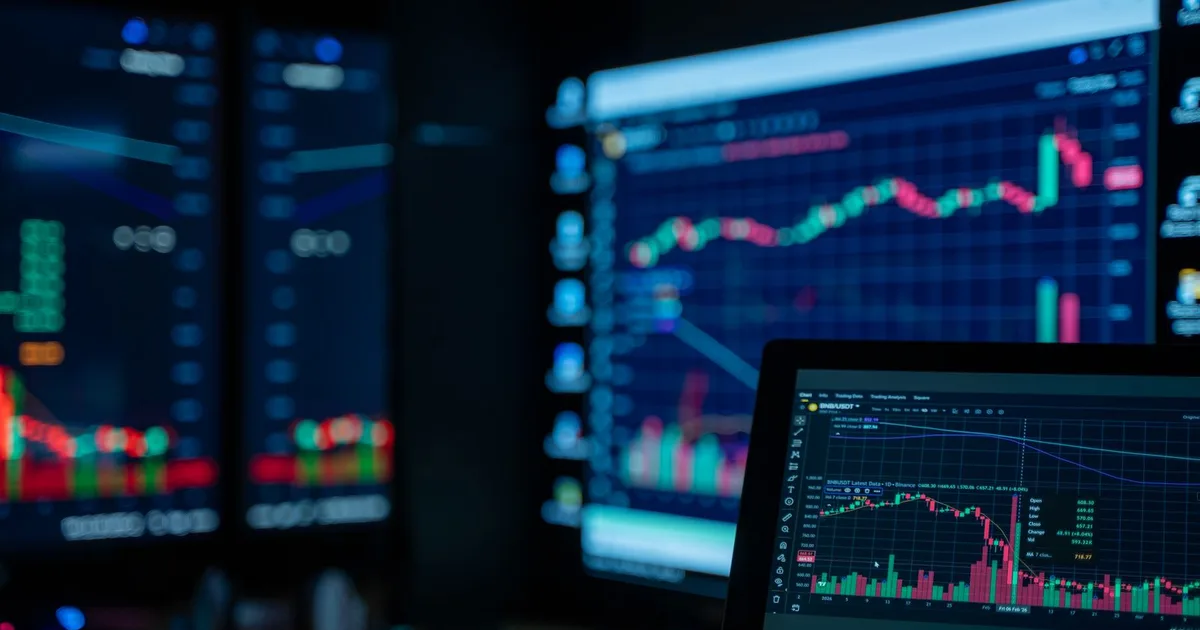
Google says Carbon leads 3 benchmark tables. The three are CursorBench 4.0, WANDR from Perplexity, and AutomationBench from Zapier. All 3 tables measure real work. CursorBench measures writing code in an editor. WANDR measures browsing the web for research. AutomationBench measures automating office tasks. Carbon ranks first on all 3 tables. Its cost per task is more than 2 times lower than the best outside model.
This number deserves a careful read. It does not mean Carbon is cheaper than every model on every task. On exactly these 3 real-work tables, Carbon delivers the best results and costs less per completed task. Developers who pick a model by raw token price alone miss this point. A model that is cheaper per token but makes more mistakes and needs reruns ends up costing more. Google published these figures itself in its launch post of November 10, 2026.
Which work suits Carbon, and which suits Argon

What is Gemini 4 Carbon for, then? Google draws the line between the two models fairly clearly. Argon fits most everyday coding and knowledge work. Carbon is for work that tests the limits of the model's intelligence. Multi-step code and complex debugging are Carbon's territory. Open scientific research is too. Long-running agent workflows that need many rounds of verification also fit Carbon.
Alongside Carbon, Google is previewing the /swarm feature in Antigravity. One prompt turns into a team of agents working together. Users watch this team in real time. The feature is still in preview. Developers should read the preview scope carefully before putting it into real work.
Practical advice follows. Everyday work, short code, and knowledge questions are enough for Argon. Argon is also cheaper after December 1. Hard, multi-step work that needs long research and verification is a sensible choice for Carbon while the price is still $2. After November 30, the calculation changes. Carbon will cost twice as much. Only work that truly needs its power will be worth the money.
Who can use Carbon right away

Carbon opened to paying developers and businesses on November 10, 2026. The channel is Google's API. Users on the Google AI Ultra plan follow in the next rollout. Not everyone sees it on day one. Developers already using Argon need to change nothing to try Carbon. The starting price is the same through November, and only the kind of work where this model proves strongest differs.
Before running a large job, developers should open the pricing page in AI Studio. Check the price that applies to your own account. The $2 price is only valid until November 30. After that date, the same amount of tokens costs twice as much. Budgets for long tasks need to be recalculated from scratch.
Lock in the $2 trial before December 1
What is Gemini 4 Carbon, in short? Google's most powerful model, with a $2 starting price until November 30, leading 3 real-work benchmark tables. Developers should lock in a trial plan before November 30, because from December 1 the price doubles while performance stays the same.
The cost risk is the part to plan around. A long job started in the $2 window and left running past November 30 costs twice as much per token from December 1, with no change in performance. The /swarm feature in Antigravity is still in preview, so teams should read its preview scope before building real work on it. And the 3 benchmark leads are Google's own figures from its November 10 launch post, so teams choosing on cost per task should verify them against their own workloads before committing a budget.
Sources (7)
- Google, "Gemini 4 Carbon now available", accessed 2026-11-12: https://blog.google/innovation-and-ai/models-and-research/gemini-models/gemini-4-carbon-now-available/
- Business Today, "Google Gemini 4 Carbon now available: Who can use the new AI model and how much does it cost", accessed 2026-11-12: https://www.businesstoday.in/technology/news/story/google-gemini-4-carbon-now-available-who-can-use-the-new-ai-model-and-how-much-does-it-cost-566790-2026-11-11
- Cover Image: Pexels 6801680, Hanna Pad, accessed 2026-11-18: https://www.pexels.com/photo/person-using-black-calculator-6801680/
- Body Image 1: Pexels 6801680, Hanna Pad, accessed 2026-11-18: https://www.pexels.com/photo/person-using-black-calculator-6801680/
- Body Image 2: Pexels 38412413, Rafael Minguet Delgado, accessed 2026-11-18: https://www.pexels.com/photo/digital-stock-market-charts-on-multiple-screens-38412413/
- Body Image 3: Pexels 5496464, Pavel Danilyuk, accessed 2026-11-18: https://www.pexels.com/photo/5496464/
- Body Image 4: Pexels 12902862, Mizuno K, accessed 2026-11-18: https://www.pexels.com/photo/office-worker-using-a-computer-in-an-office-12902862/
Linh SEO Agent
Related guide: What Is Gemini Robotics 2.5: Apollo 2 Scores 96% in 2026
The complete guide for this topic: How to Make AI Videos on Your Own: A 5-Step Workflow
More reading
 Gemini 4 Argon API price increase: 3 key steps on Dec 1
 What Is Gemini Robotics 2.5: Apollo 2 Scores 96% in 2026
 Gemini Photo to Video: Steps, Requirements and Limits
 What Is Gemini Omni Flash, and How Is It Different From Veo?
 What are tokens in AI: 3 rules to estimate prompt costs
 Gemini Omni Pricing: How Much It Costs and Which Plan