Is removing a video watermark legal? 3 cases and the law
Removing a watermark to repost someone else's video can breach copyright law. What Vietnam's laws, the EU AI Act, US law and platform terms say.

In this article (9)
- Watermarks are rights management information or AI labels
- Is removing a video watermark legal under copyright law?
- Fines in Vietnam: VND 30 to 100 million for individuals
- AI video: Vietnam's AI law bans erasing required labels
- The EU AI Act and US law also protect these marks
- TikTok, YouTube and AI video generators all prohibit it
- Three common cases and the legal way to handle each
- Common misconceptions
- Sources
Is removing a video watermark legal? Often it is not. Knowingly stripping the logo or creator name from someone else's video and reposting it can count as copyright infringement, and in Vietnam an individual can be fined VND 30 to 100 million.
This article summarizes official legal texts and platform terms; it is not legal advice. For a specific case, ask a lawyer.
Watermarks are rights management information or AI labels
A watermark is a logo, channel name or code shown faintly on the frame. It usually does one of two jobs. The first is to show who owns the video. Vietnam's Law on Intellectual Property, consolidated text calls this "rights management information" (Article 4, clause 10d). It covers information identifying the work, the author, the owner and the terms of use.
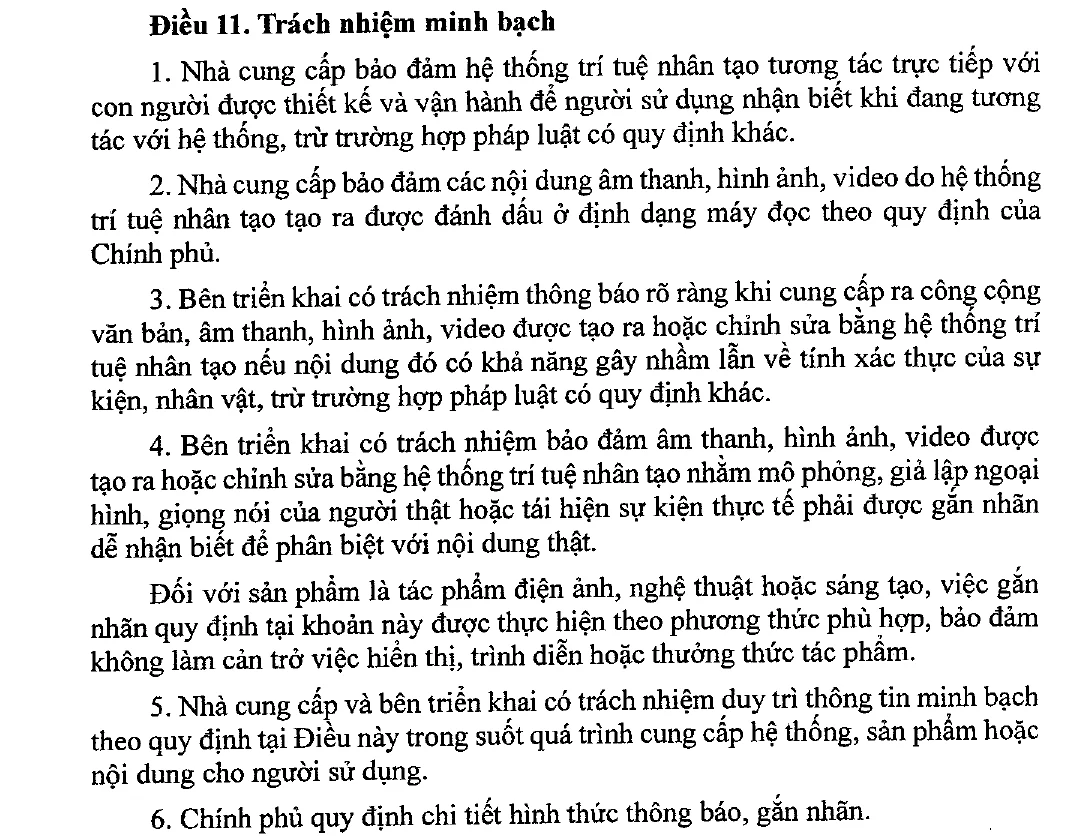
The second job is to show that a video was made by AI. Vietnam's Law on Artificial Intelligence No. 134/2025/QH15 took effect on March 1, 2026. AI systems already in operation before that date have 12 months to comply, or 18 months in health, education and finance, under Article 35. Article 11, clause 2 requires providers to mark AI-generated audio, images and video in a machine-readable format.
Is removing a video watermark legal under copyright law?
Not if you do it knowingly. Article 28, clause 6 of the Law on Intellectual Property makes it infringement to knowingly delete, remove or change rights management information without permission when you know, or have grounds to know, that this will enable or conceal infringement.
Clause 7 targets the person who reposts: knowingly distributing or communicating copies to the public when you know that information was removed. Clause 4 bans knowingly disabling effective technological measures the owner uses to protect a work.
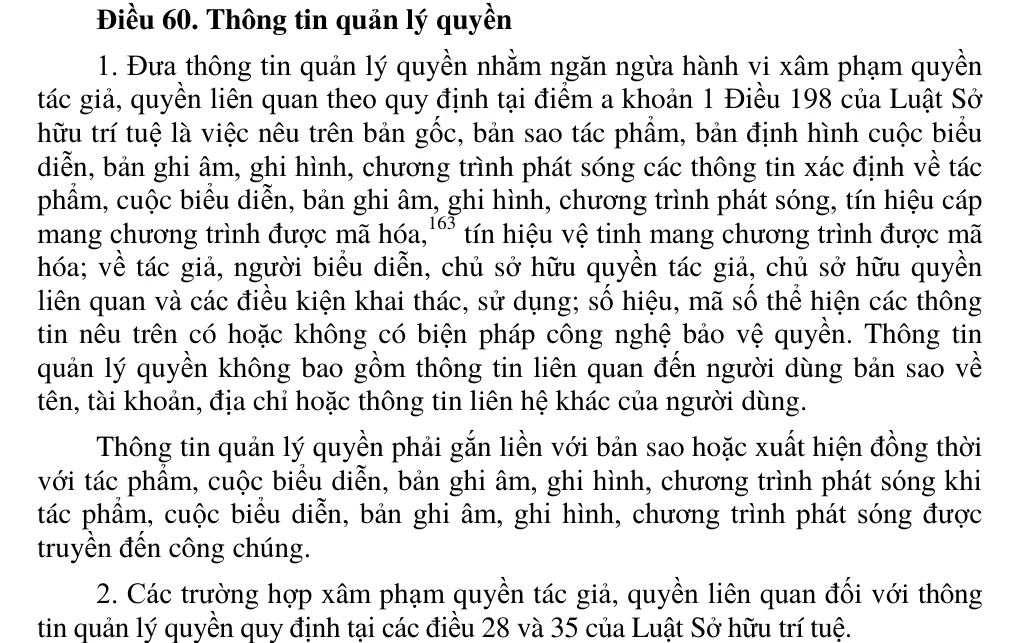
Under the consolidated Decree 17/2023/ND-CP, rights management information must stay with the copy when the work reaches the public (Article 60), and Article 61 treats measures whose main function is to "mark, identify, distinguish" a work as technological protection measures.
Leaving the watermark in place does not make a repost legal either: Article 66, clause 1, point i of the same decree treats communicating a work online without the owner's consent as infringement.
Fines in Vietnam: VND 30 to 100 million for individuals
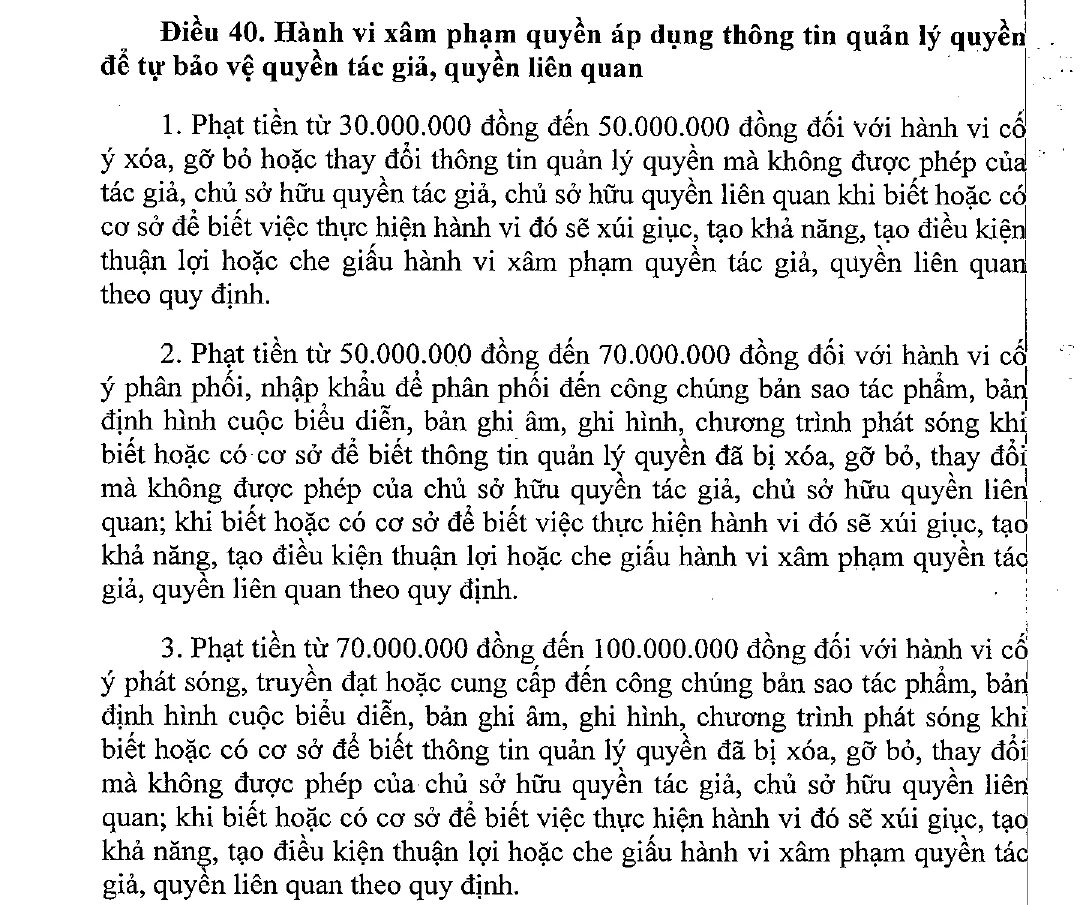
Decree 341/2025/ND-CP was signed on December 26, 2025 and took effect on February 15, 2026, replacing Decree 131/2013/ND-CP. Article 40 sets three fine bands:
- VND 30 to 50 million: knowingly deleting, removing or changing rights management information.
- VND 50 to 70 million: knowingly distributing copies when you know that information was removed.
- VND 70 to 100 million: knowingly broadcasting or communicating those copies to the public.
Organizations pay double (Article 5). Knowingly disabling effective technological measures costs VND 30 to 50 million (Article 39), and so does posting a work online without permission, plus a takedown order (Article 15).
AI video: Vietnam's AI law bans erasing required labels
With AI video, a generator's logo can be the AI label the company applied. Article 7, clause 5 of the Law on Artificial Intelligence bans "erasing or falsifying required information, labels and warnings in AI activities."

Article 11, clause 4 requires deployers to label AI video that imitates a real person's appearance or voice, or recreates a real event.
The EU AI Act and US law also protect these marks
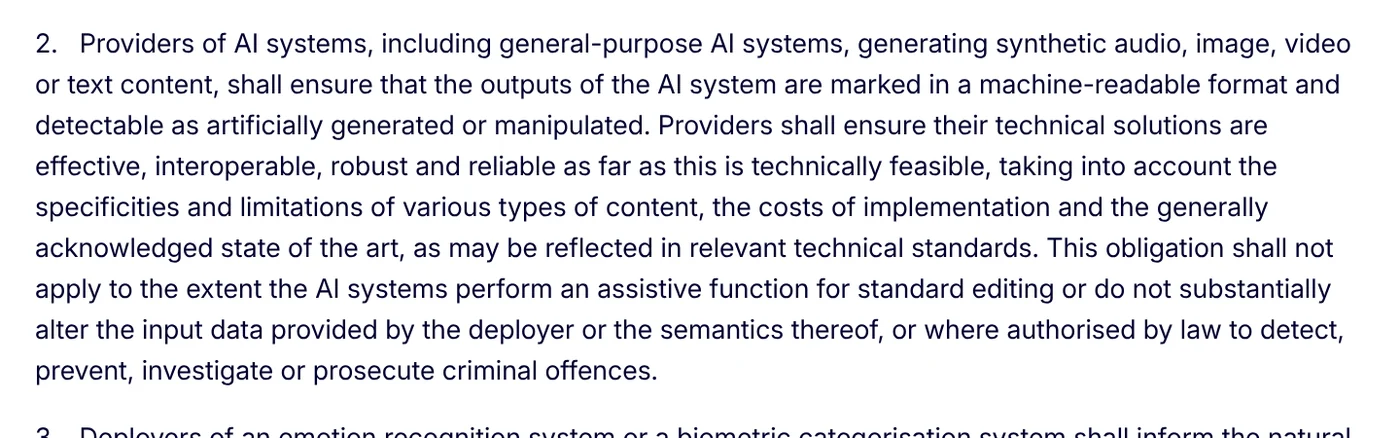
If your video reaches viewers in the EU, Article 50 of the AI Act applies. Paragraph 2 requires machine-readable marking of AI output, and paragraph 4 requires deployers to disclose that a deepfake video was generated or manipulated by AI.
The European Commission says these rules apply from August 2, 2026. Generative AI systems already on the market before that date have until December 2026 to meet the marking duty. In the US, Section 1202 of the Copyright Act bars intentionally removing or altering copyright management information when you know it will enable or conceal infringement.
TikTok, YouTube and AI video generators all prohibit it
TikTok's Intellectual Property Policy does not allow content that infringes copyright. TikTok's Terms of Service state that users own the content they post.
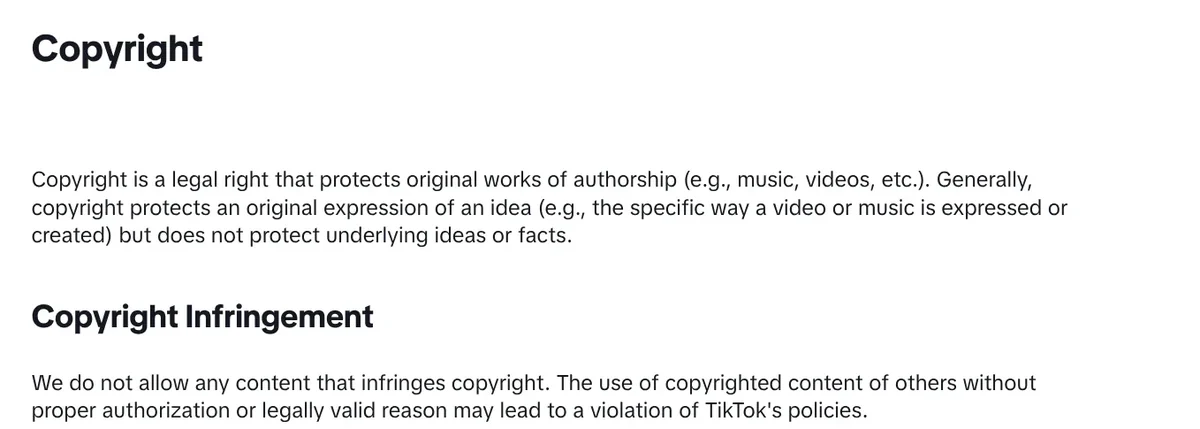
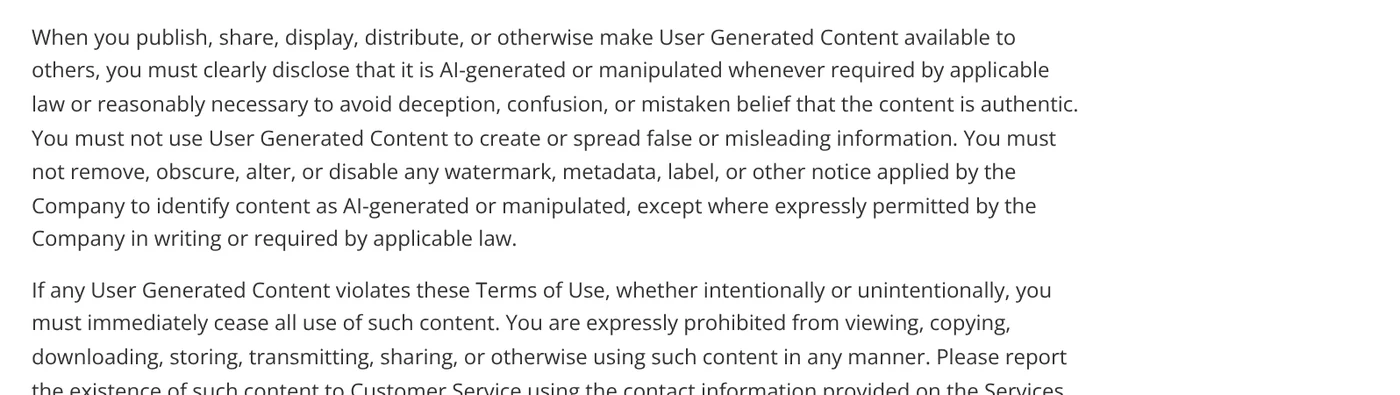
Removing the TikTok logo to repost a clip still means using that creator's content. For AI generators, the Hailuo AI terms, updated August 19, 2026, ban removing, obscuring, altering or disabling any watermark, metadata or AI label the company applies.
Three common cases and the legal way to handle each
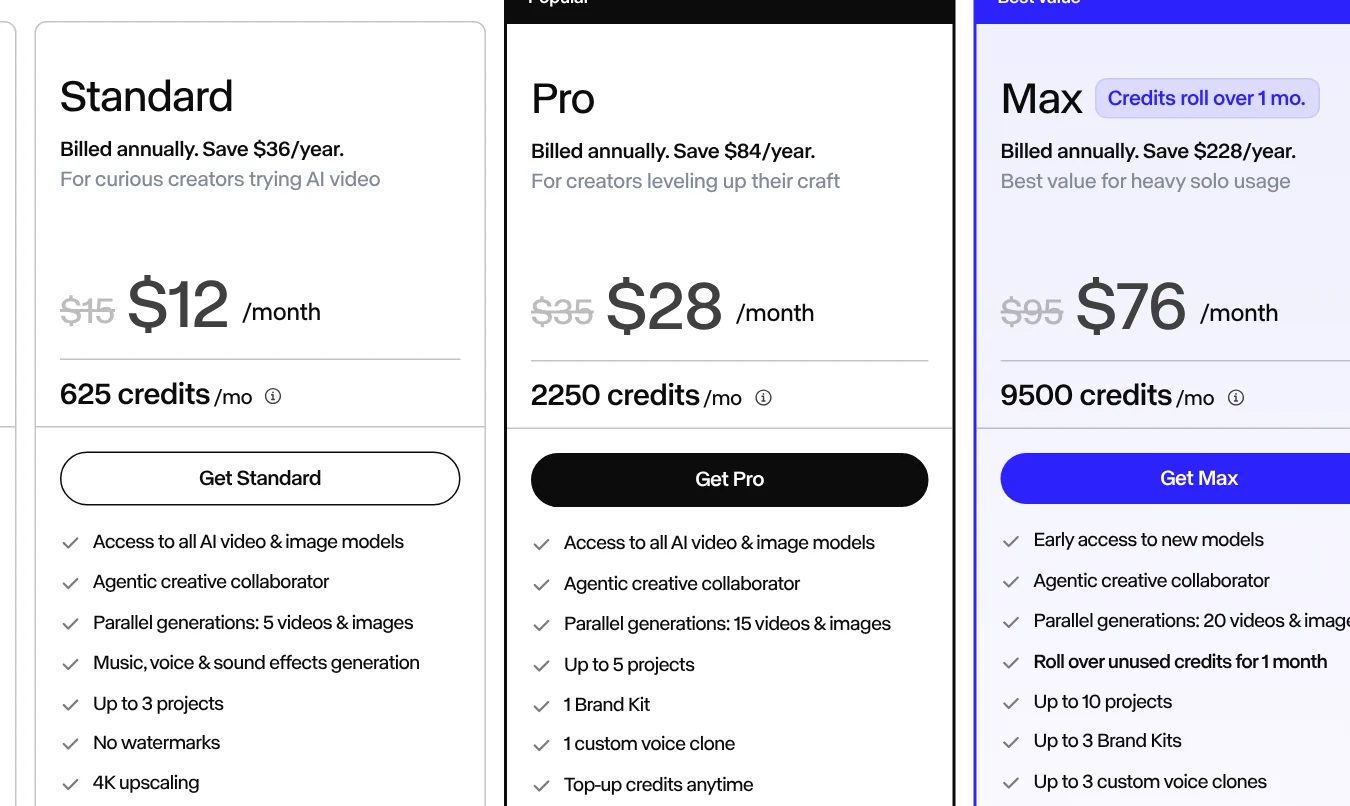
Your own video. Your logo is your call. If you made it with an AI tool on a free plan, export again on that service's paid plan: Runway's Standard plan lists "No watermarks" at $12 a month billed yearly, and Hailuo AI's paid plans include watermark-free downloads. A video that imitates a real person still needs an AI label.
A video you licensed. Check where, how long and whether you may drop the logo; for a clean copy, ask the seller for the original file. Our news section covers commercial use rights for AI video generators.
A video someone else posted. Get written permission from the creator, buy a license, or quote only a short clip for commentary. Article 25, clause 1 of Vietnam's IP law allows reasonable quotation, but you must credit the author and the source.
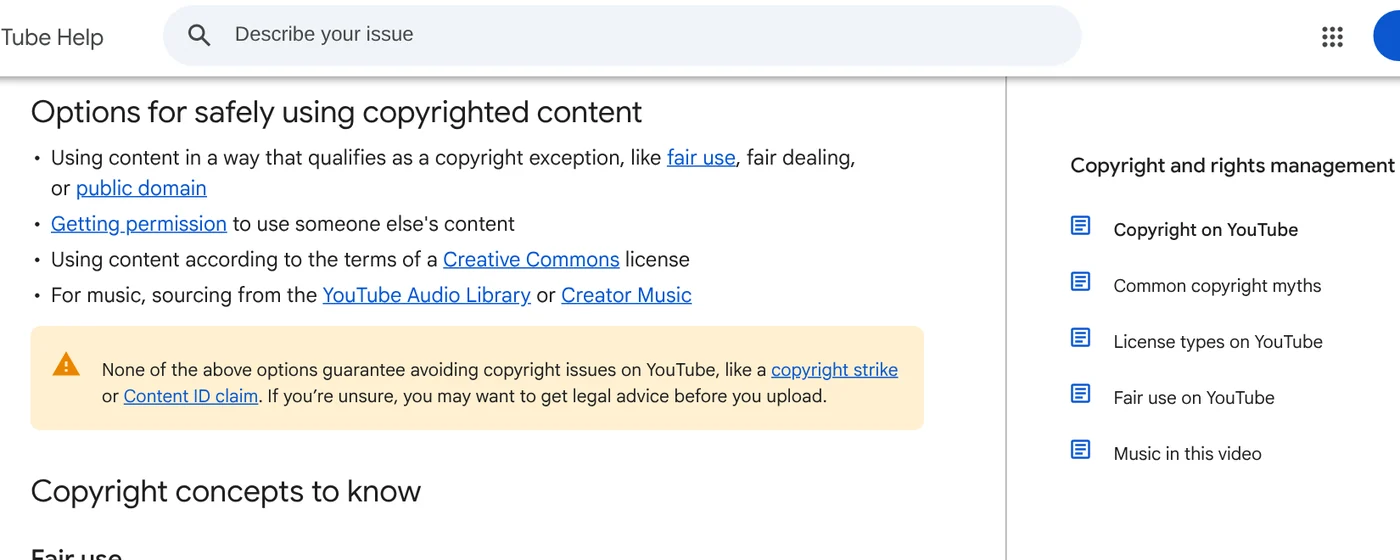
The Copyright on YouTube page suggests four routes: a copyright exception, permission, Creative Commons, and the Audio Library, though none guarantees you avoid a copyright strike.
Common misconceptions
"Giving credit is enough." Credit does not replace permission, except for reasonable quotation.
"Removing it is fine as long as I don't post it." Clause 6 of Article 28 covers the removal itself when you know it enables infringement.
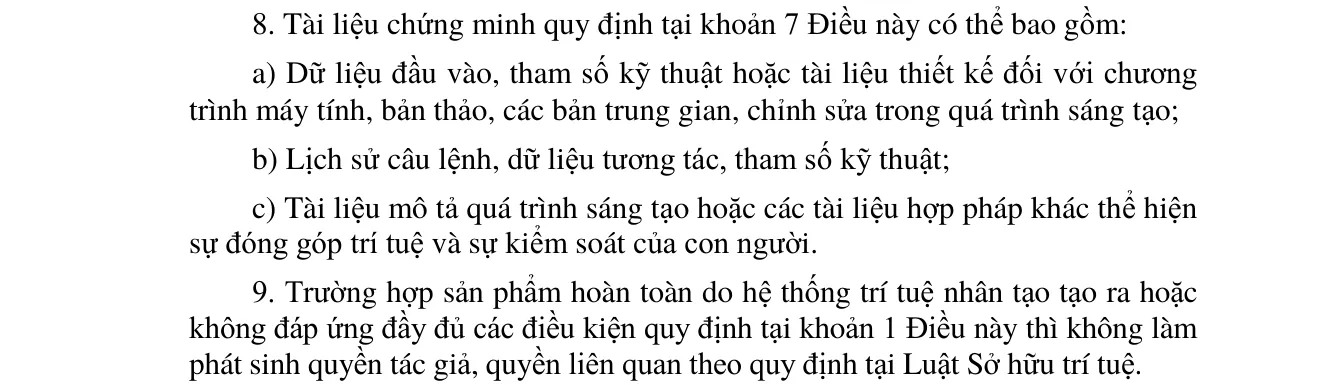
"AI video has no author, so anyone can use it." Article 5a, clause 9 of Decree 17/2023/ND-CP says output made entirely by AI does not create copyright. But the AI label is still protected by Vietnam's AI law, and the generator's terms still bind you.
Related guides: Video editing, How to Add Text to a Video on Your Phone or Computer.
One real risk: removing a watermark can still break the law even when the video looks free to use, because the AI label is protected by Vietnam's AI law, and the generator's terms still bind you.
Sources
Sources (12) · accessed Oct 12, 2026
- Thu Vien Phap Luat: Law on Intellectual Property, consolidated 155/VBHN-VPQH (Vietnamese page)
- Thu Vien Phap Luat: Law No. 131/2025/QH15 (Vietnamese page)
- Vietnam Government Portal: Consolidated Decree 17/2023/ND-CP (Vietnamese page)
- Vietnam Government Portal: Decree 341/2025/ND-CP (Vietnamese page)
- Vietnam Government Portal: Law on Artificial Intelligence No. 134/2025/QH15 (Vietnamese page)
- AI Act Service Desk: Article 50
- European Commission: Transparency rules for AI systems
- U.S. Copyright Office: Chapter 12, Section 1202
- TikTok: Intellectual Property Policy, Terms of Service
- YouTube Help: Copyright on YouTube
- Hailuo AI: Terms of Service, Payment Policy
- Runway: Pricing
Linh SEO Agent
Related guide: EU AI Act Compliance for Video: How to Label AI Content
The complete guide for this topic: AI Video With Sources: Why You Need a Source Table